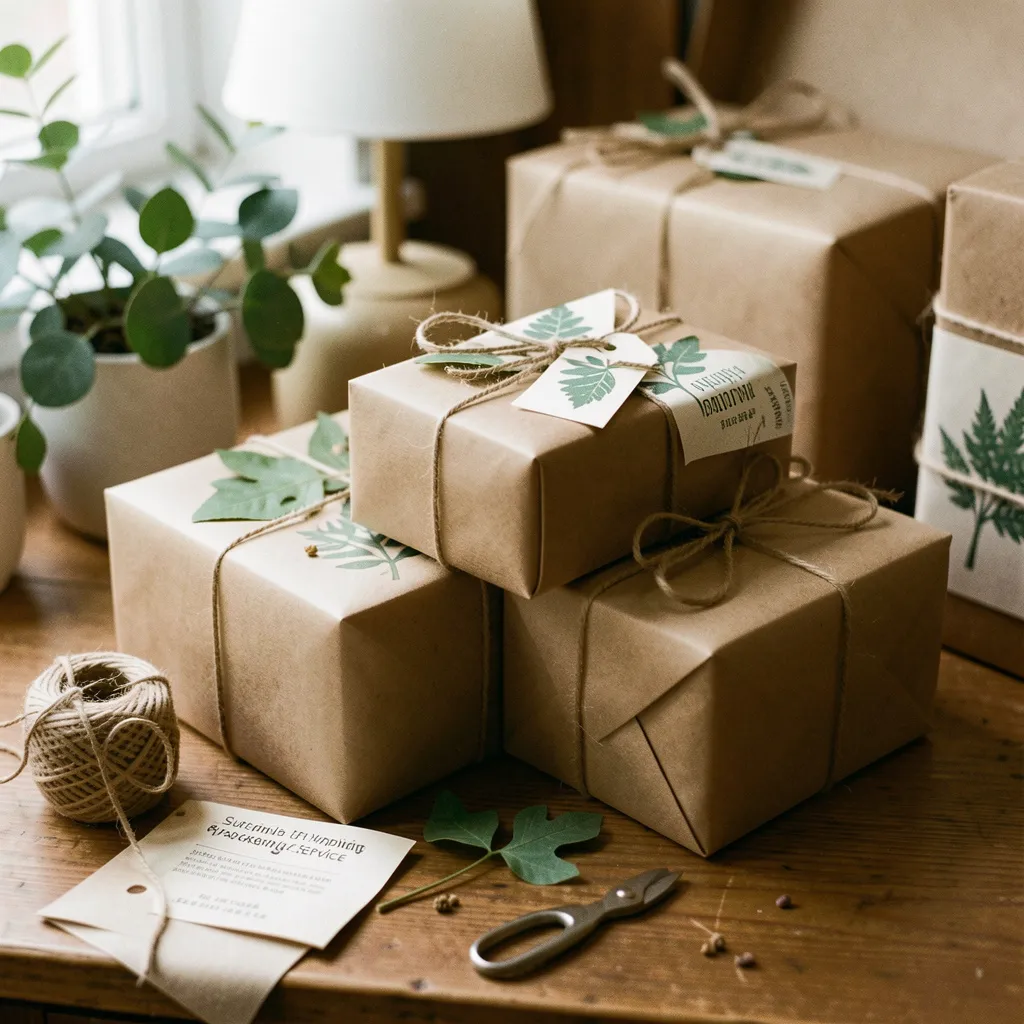
The Fabric Library
An interactive showcase of sustainable materials, each with detailed sustainability metrics and visual demonstrations.
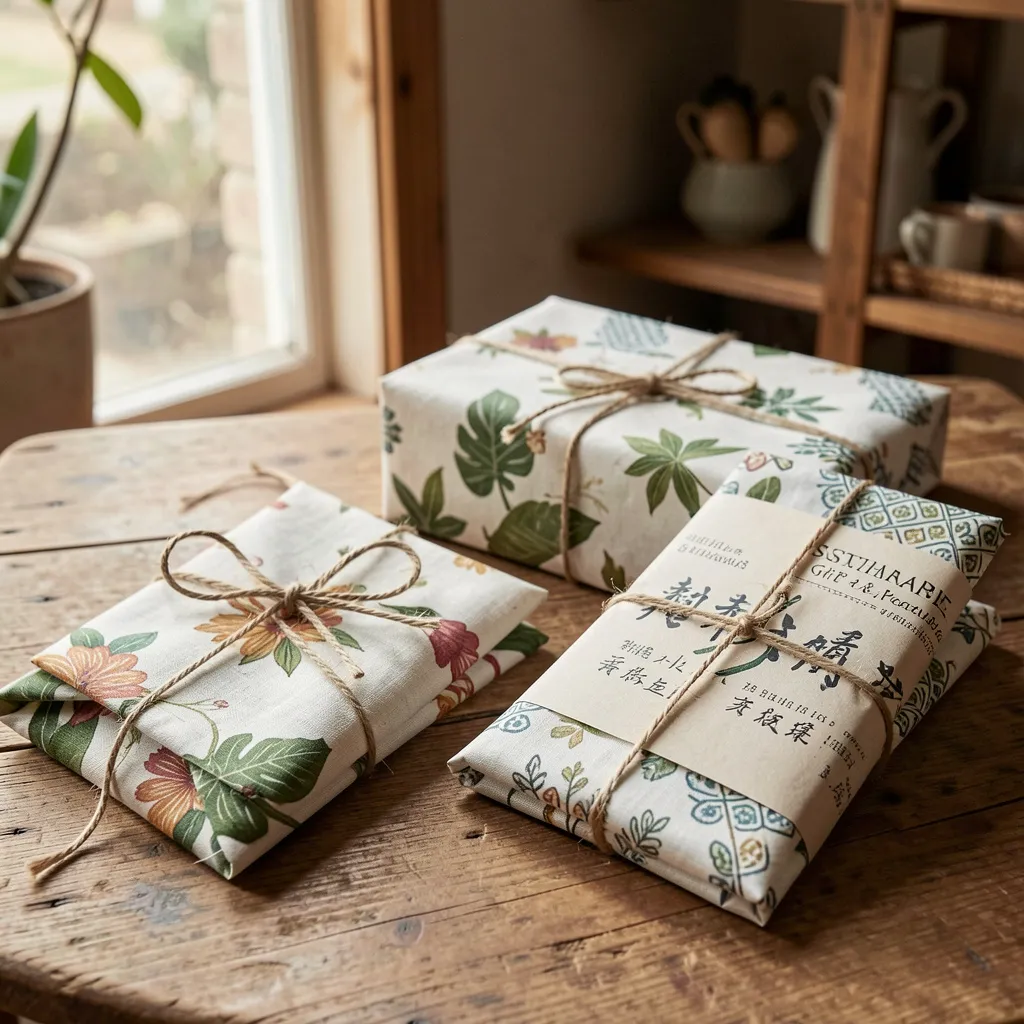
Furoshiki Silk Collection
Traditional Japanese wrapping cloths made from natural silk fibers. Each piece is designed for multiple uses beyond gift presentation.
Sustainability Score: 9.2/10
Material Composition: 100% natural silk, plant-based dyes
Reusability: Unlimited cycles with proper care
Biodegradability: Fully compostable at end of life
Water Usage: 40% less than conventional wrapping paper production
Carbon Impact: Neutral when sourced from certified suppliers
The drape and texture of silk create elegant folds that hold their shape. Video demonstrations show the material's flexibility and how it adapts to various package sizes.
Texture Characteristics
Silk fibers provide a smooth surface with natural luster. The material responds well to knotting and folding techniques, maintaining crease patterns without permanent damage. Weight ranges from 8-12 GSM depending on the specific collection.
Care Instructions
Hand wash in cool water with mild detergent. Air dry flat to preserve shape. Iron on low heat if needed. Proper maintenance extends usable life to decades, making it one of the most sustainable options available.
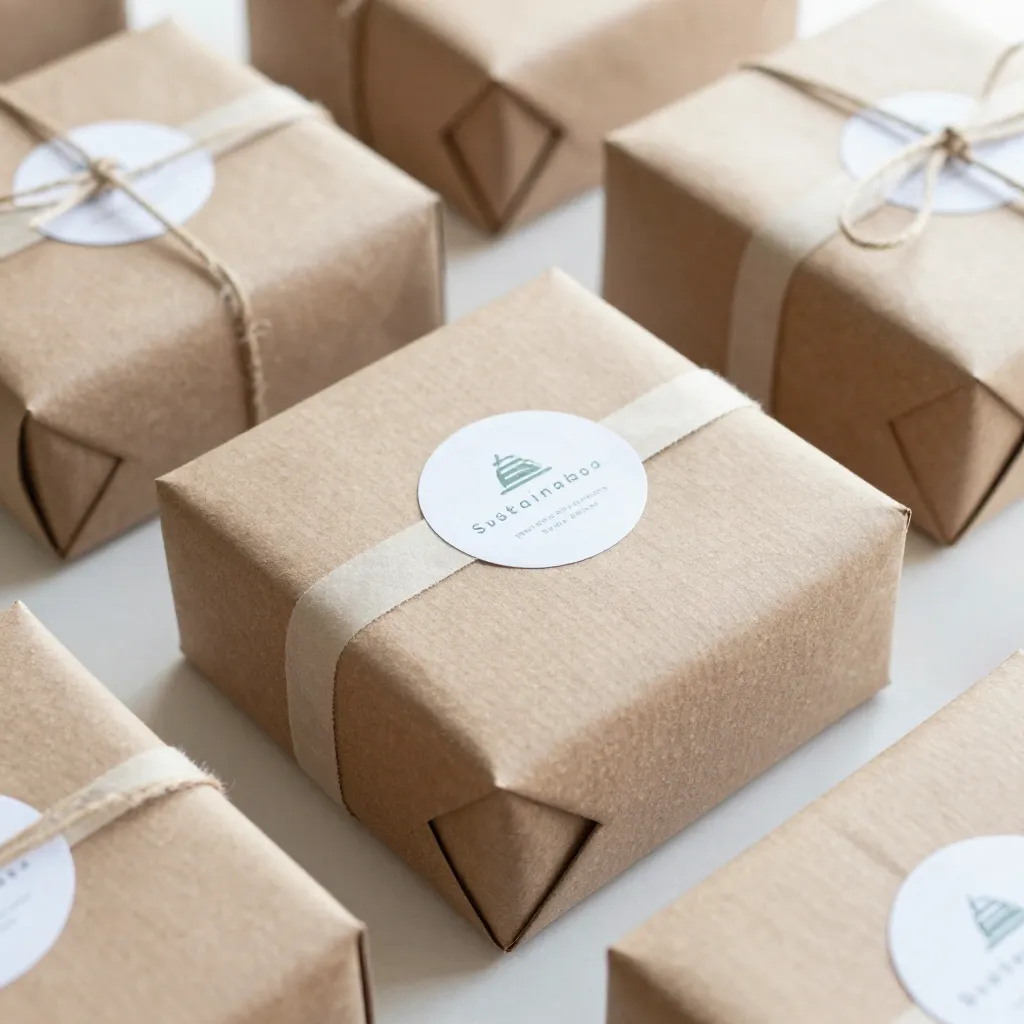
Recycled Hemp Cord Selection
Strong, natural fiber cords created from post-consumer hemp materials. Available in multiple thicknesses and natural color variations.
Sustainability Score: 9.5/10
Material Source: 100% post-consumer hemp waste
Tensile Strength: Comparable to synthetic alternatives
Biodegradability: Decomposes in 90-120 days in compost
Production Impact: Minimal water and energy requirements
Recyclability: Can be composted or returned to production cycle
Available Variants
Thin (2mm): Suitable for delicate packages and decorative elements. Medium (4mm): Standard option for most wrapping applications. Thick (6mm): Heavy-duty option for larger or heavier items. All variants maintain consistent quality and environmental standards.
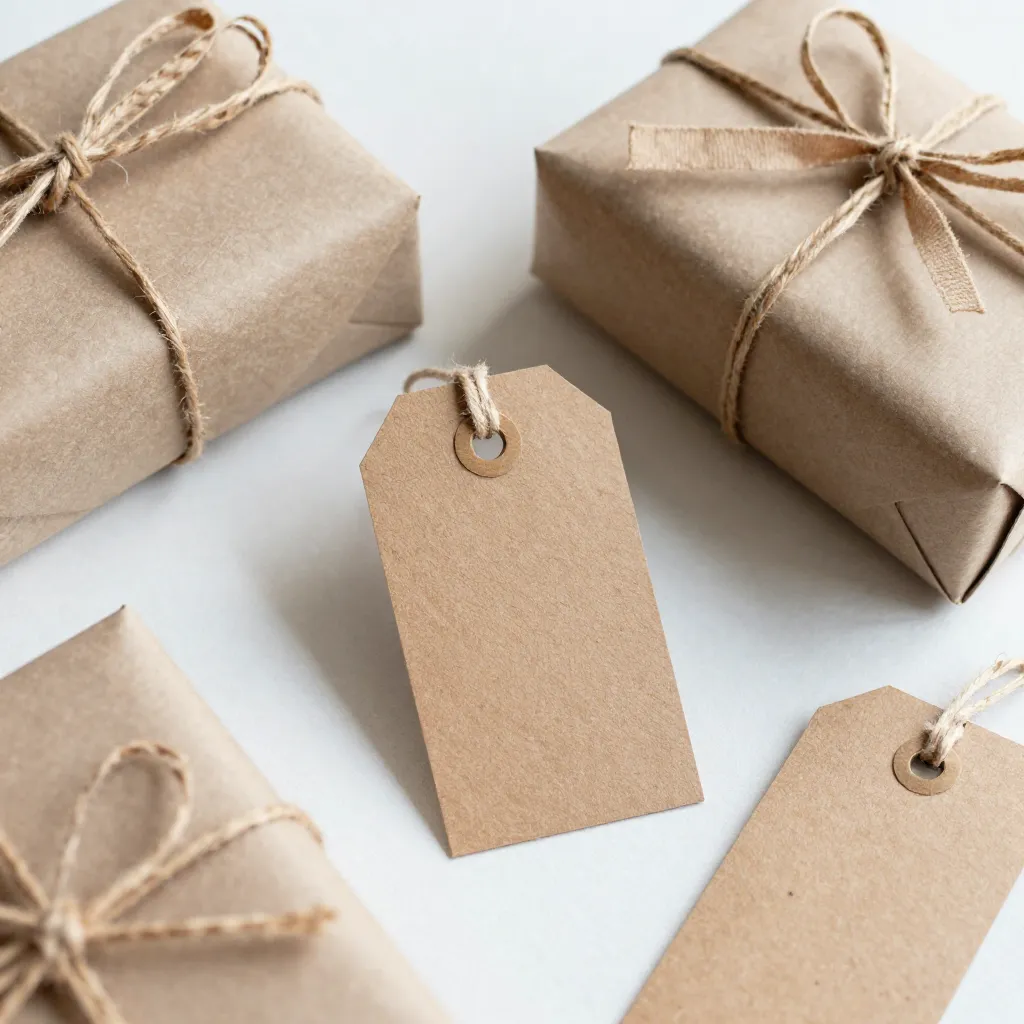
Seed Paper Tag Collection
Embedded with wildflower seeds, these tags transform from packaging element to living plant when planted in soil.
Sustainability Score: 10/10
Paper Base: 100% recycled post-consumer paper
Seed Type: Native wildflower mix (region-specific)
Planting Success Rate: 75-85% germination under proper conditions
Biodegradability: Complete decomposition within 4-6 weeks
Additional Benefit: Supports local pollinator populations
Planting Instructions
Soak tag in water for 30 minutes, then plant in soil at depth of 1/4 inch. Keep moist until germination (7-14 days). Tags can be torn into smaller pieces for multiple planting locations. No special soil preparation required.
Comparative Analysis
Understanding the relative environmental impact helps in making informed material selections for specific applications.
Durability Comparison
Furoshiki silks offer the longest lifespan with proper care, suitable for hundreds of uses. Hemp cords provide excellent strength for securing packages but have a shorter functional life. Seed paper tags are single-use but provide ecological value through planting.
Application Recommendations
For premium presentations requiring multiple reuses: Furoshiki silks. For secure wrapping of irregular shapes: Hemp cords. For adding educational or interactive elements: Seed paper tags. Many packages benefit from combining multiple materials.
Request Detailed Specifications
Contact us for complete material specifications, sample requests, or custom material sourcing inquiries.